

Are TEMO commercial products code-compliant?
Yes. TEMO’s engineering team ensures every commercial project meets or exceeds local and state building codes for wind, snow, and structural loads. We also assist with permitting and inspection coordination.
Can TEMO customize commercial structures for branding?
Absolutely. It may be possible to color matching and logo integration to lighting and signage coordination, we can design structures that align with your brand and enhance your property’s image.
How long does a commercial installation take?
Installation times vary by project size, but most commercial builds are completed within a few days to a few weeks. Our modular systems are engineered for fast, efficient assembly with minimal disruption.
Do you offer warranties for commercial projects?
Yes. TEMO’s commercial structures carry the same industry-leading warranties as our residential lines, covering materials and finish integrity.
Does TEMO handle large-scale multi-unit or development projects?
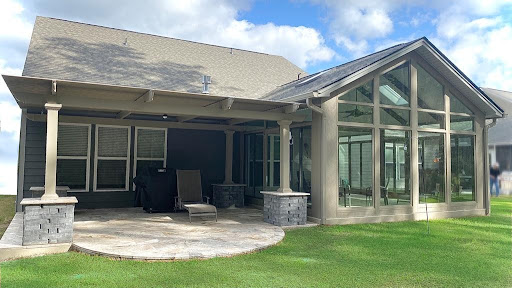
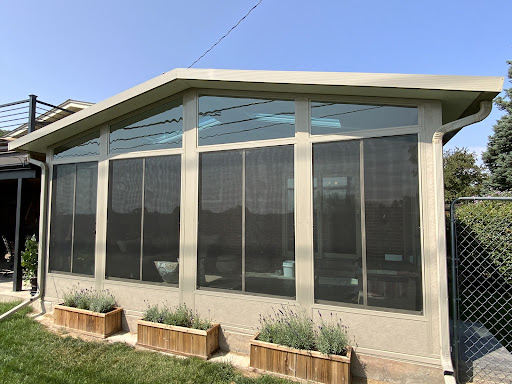
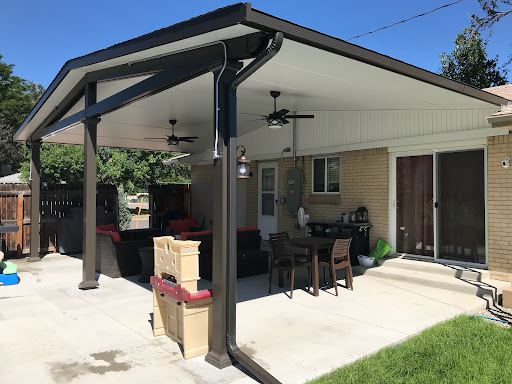
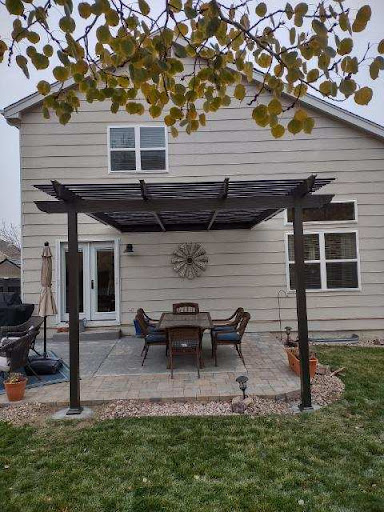
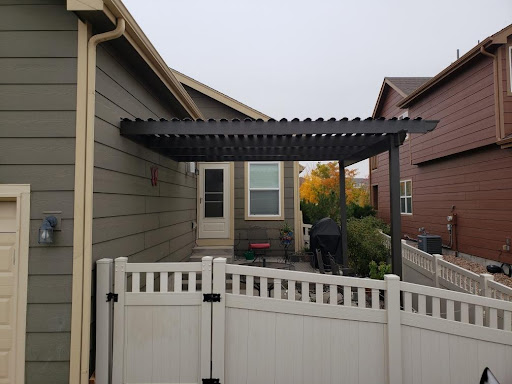
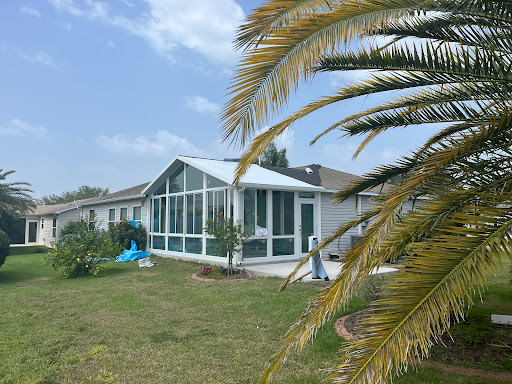
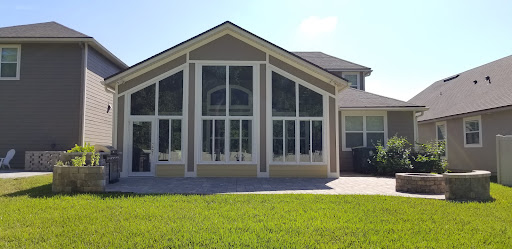
Yes. We work with residential developers, HOAs, and property managers on multi-unit sunrooms, pergolas, patio covers, and shared outdoor spaces. Our systems scale for commercial use.
Can commercial outdoor structures be used for events or rental space?
Definitely. Many clients use TEMO structures to host weddings, events, outdoor classes, or seasonal markets—especially in hotels, venues, or community centers.
Does TEMO offer design support for commercial projects?
Yes. We provide design assistance to ensure your commercial structure fits your brand, property layout, and code requirements—from initial concepts to stamped drawings.
Can commercial sunrooms be used as extended seating areas?
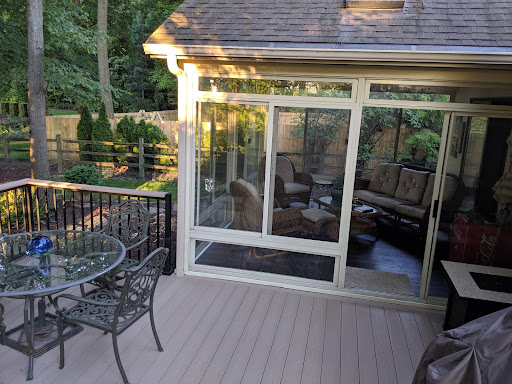
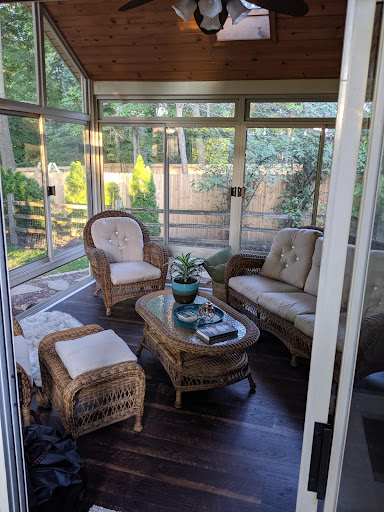
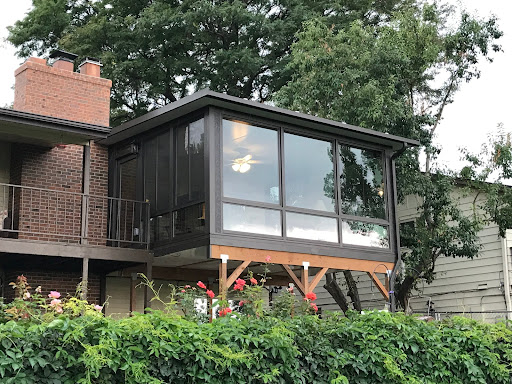
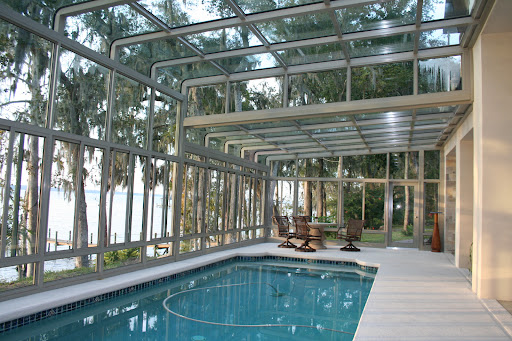
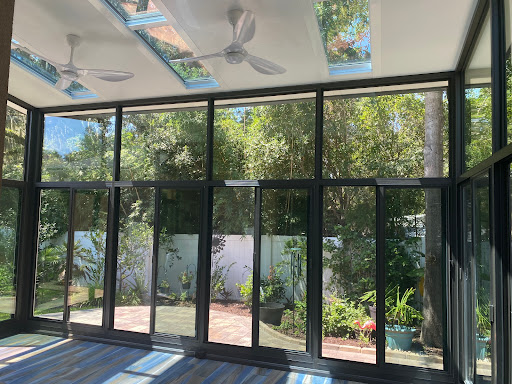
Yes. Restaurants and cafes often use TEMO sunrooms to expand capacity and offer year-round outdoor dining.
Can TEMO structures be installed on rooftops or upper levels?
Yes. We offer structural systems engineered for rooftop terraces, parking structures, and elevated platforms.
Are there commercial financing options available?
Many of our dealers offer financing or leasing options for business projects. Ask during your consultation.