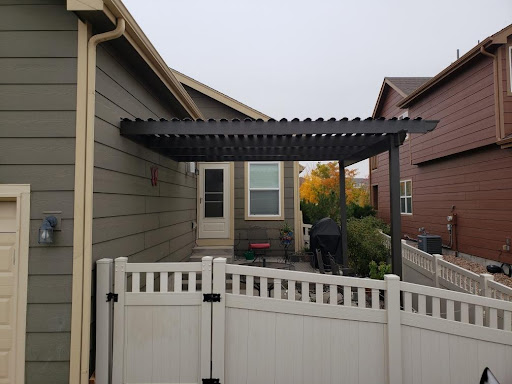


Can a TEMO Patio Cover handle snow and wind?
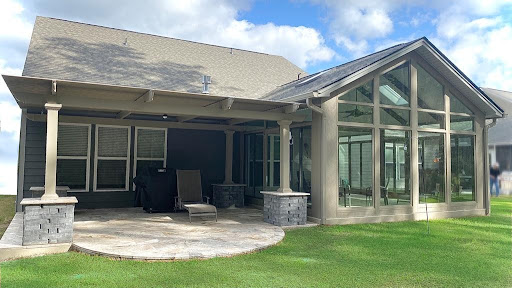
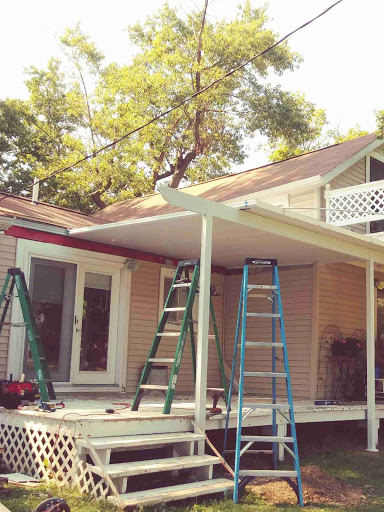
Yes. All TEMO structures are engineered to meet or exceed local building codes, including snow-load requirements for winters and wind-load standards for coastal regions.
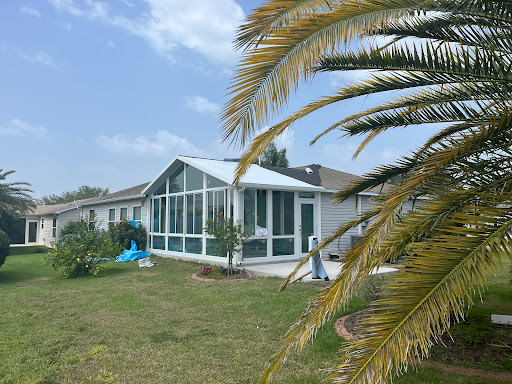
Can I enclose my patio cover later?
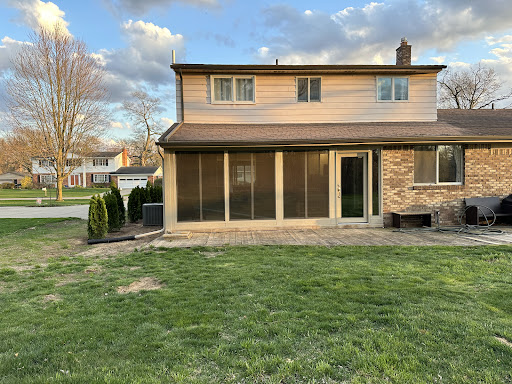
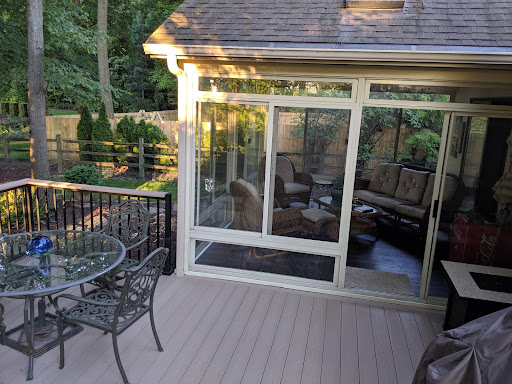
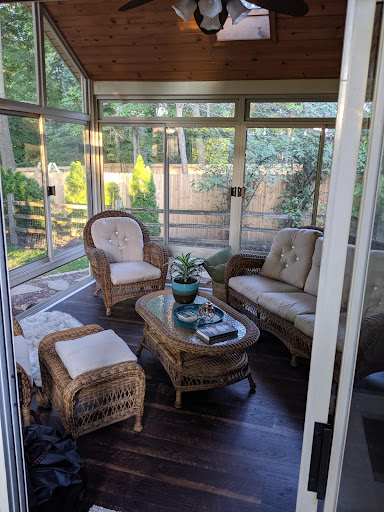
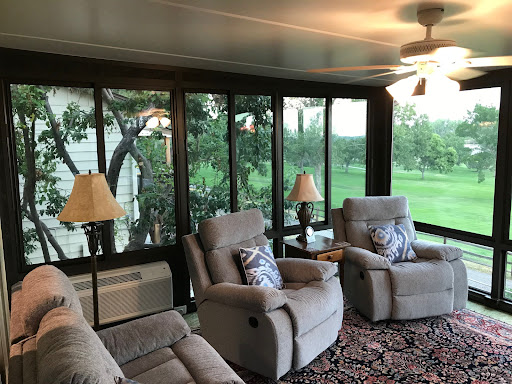
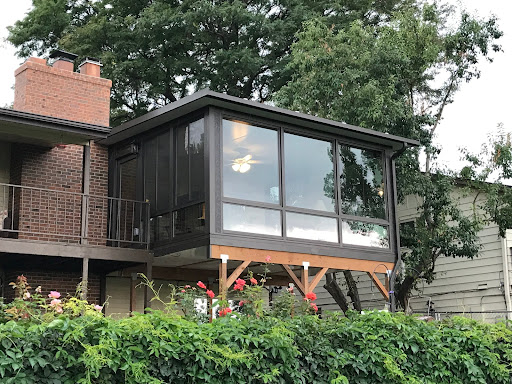
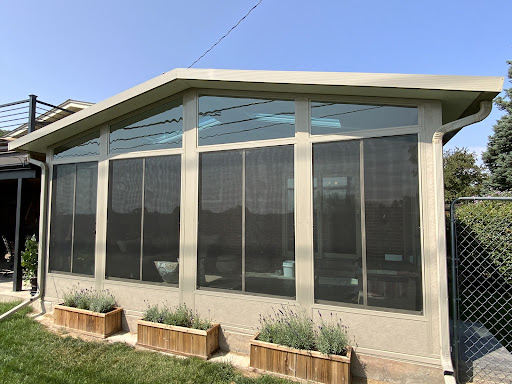
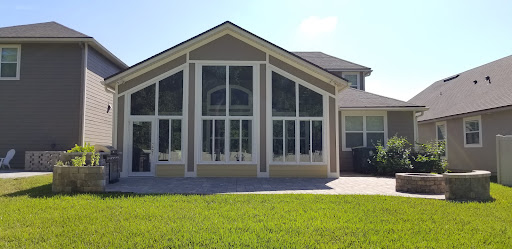
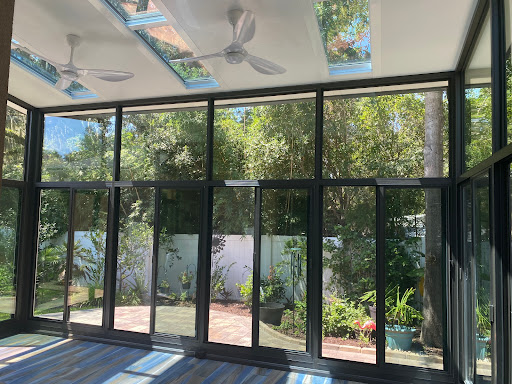
Absolutely. One of TEMO’s biggest advantages is that our patio covers can be upgraded to a full sunroom or screen room in the future—saving time and money if you decide to expand.
How do I clean and maintain my patio cover?
Simply rinse it with a garden hose and mild soap a few times a year. The baked-on finish resists dirt, mildew, and UV damage, keeping your structure beautiful for decades.
Can I add lighting or ceiling fans to a TEMO pavilion?
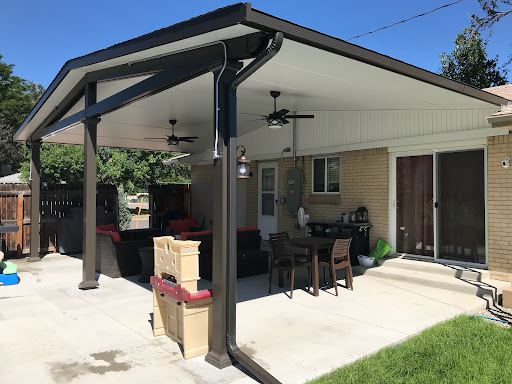
Yes. Most pavilion and patio cover models are designed with integrated beam systems that can support lighting, fans, and even heaters—perfect for all-season use.
What is the lifespan of a TEMO patio cover or pavilion?
With proper installation and minimal upkeep, a TEMO aluminum structure can last 30 years or more. The materials are engineered for long-term durability without rotting or corroding.
Are TEMO patio covers suitable for poolside installations?
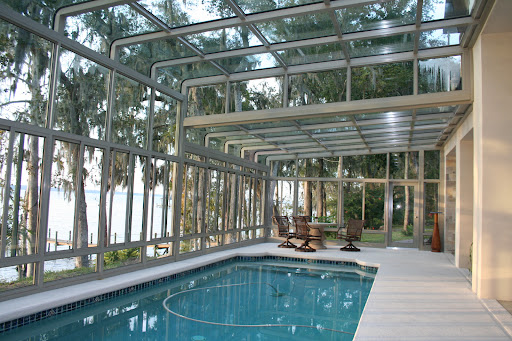
Yes. In fact, many homeowners and businesses use them to cover pool decks, outdoor kitchens, or spa areas. Their weather resistance and moisture-safe finish make them ideal for wet environments.
What’s the difference between a pavilion and a cabana?
A pavilion typically has a more open-air feel and pitched roof, while a cabana may include privacy walls and is often used for poolside retreats.
Can a patio cover help lower my cooling costs?
Yes. By shading doors and windows, a patio cover reduces direct sun exposure, helping maintain cooler indoor temps. The average temperature drops by nearly 20% in the direct sun.
Do patio covers help protect outdoor furniture?
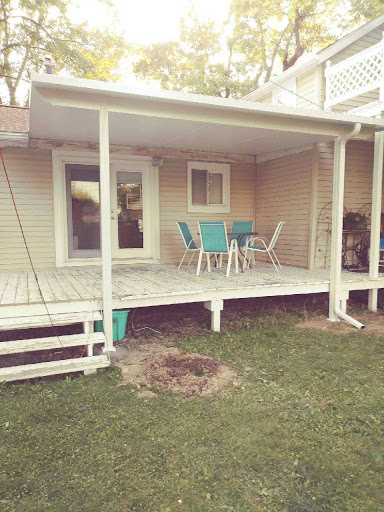
Absolutely. Patio covers shield furniture from fading, moisture damage, and other weather-related wear.
What is the difference between insulated and non-insulated covers?
Insulated covers offer better temperature control and quieter rain protection, while non-insulated models are typically more cost-effective, loud, noisy and can date your home.