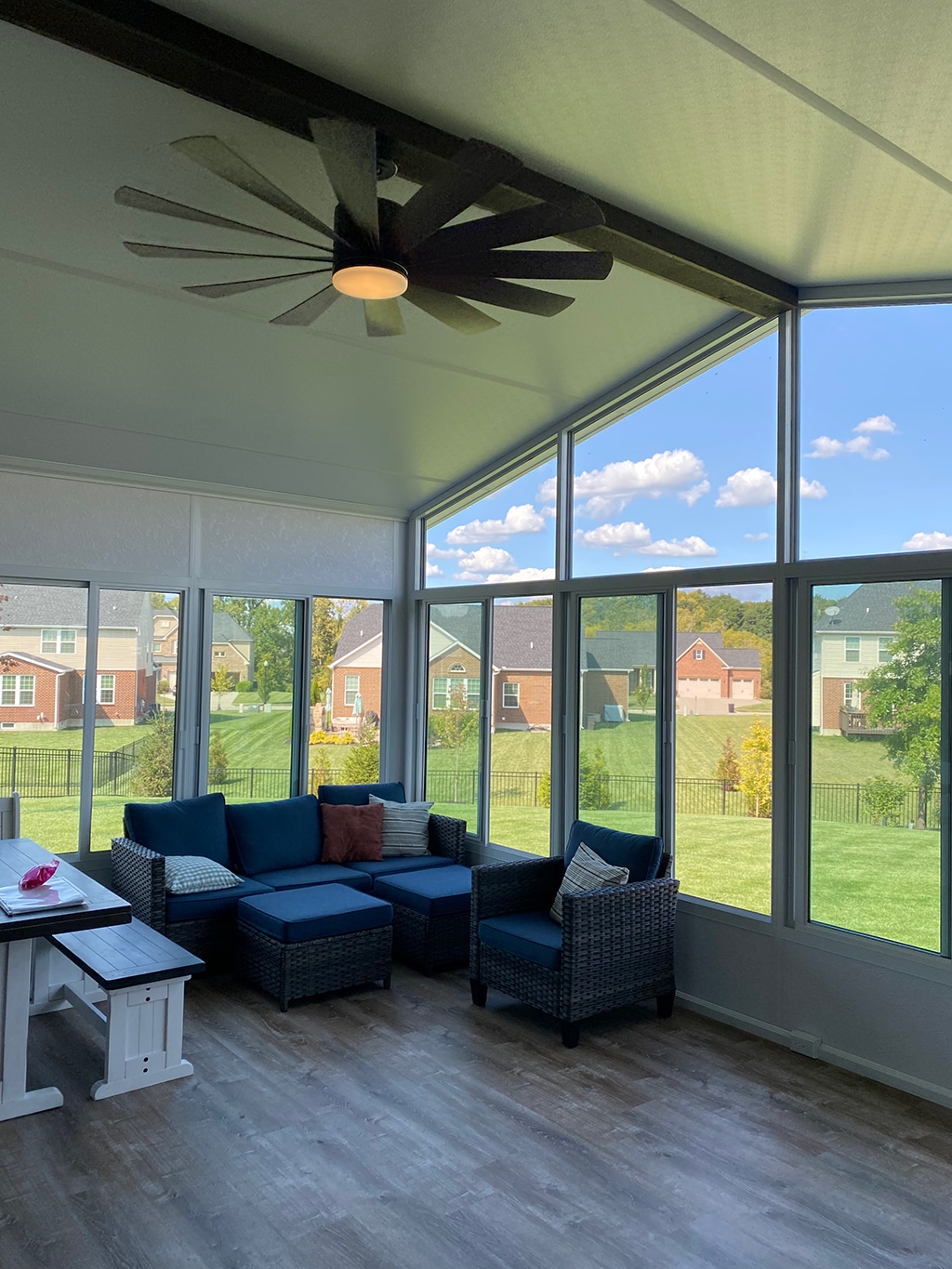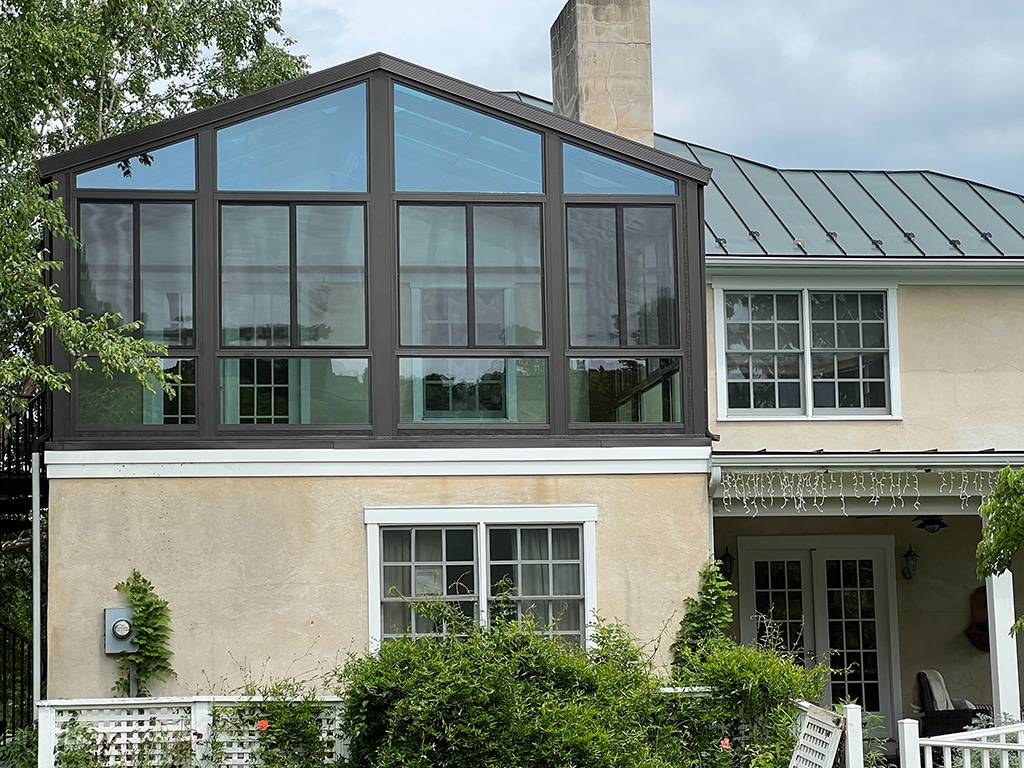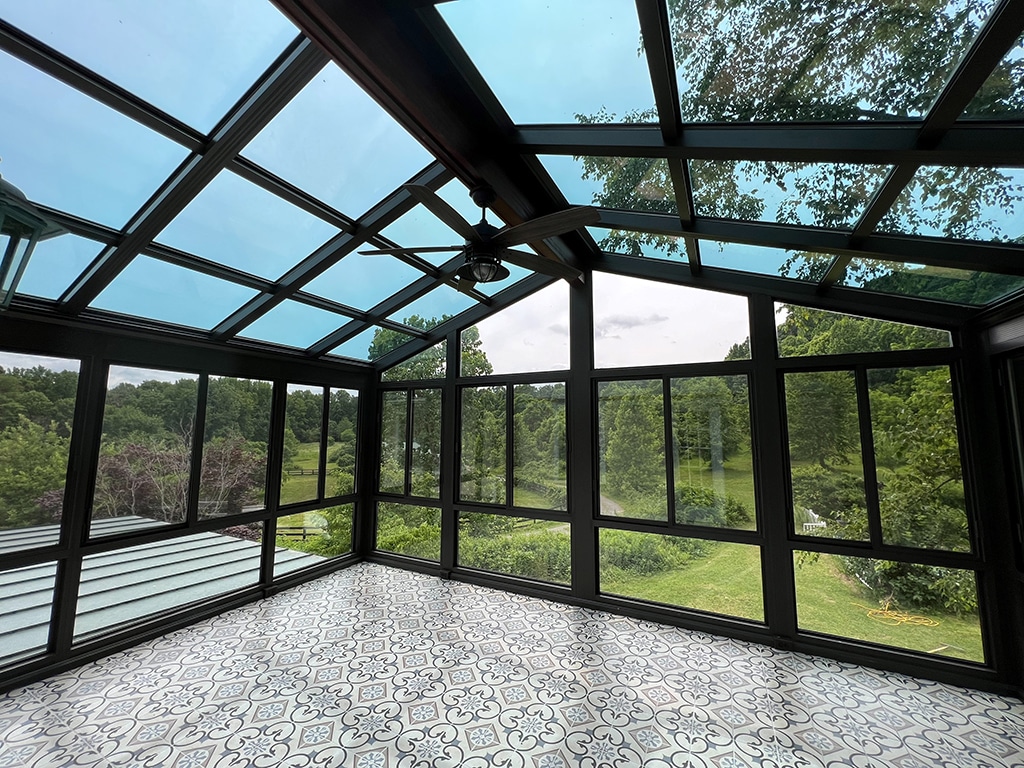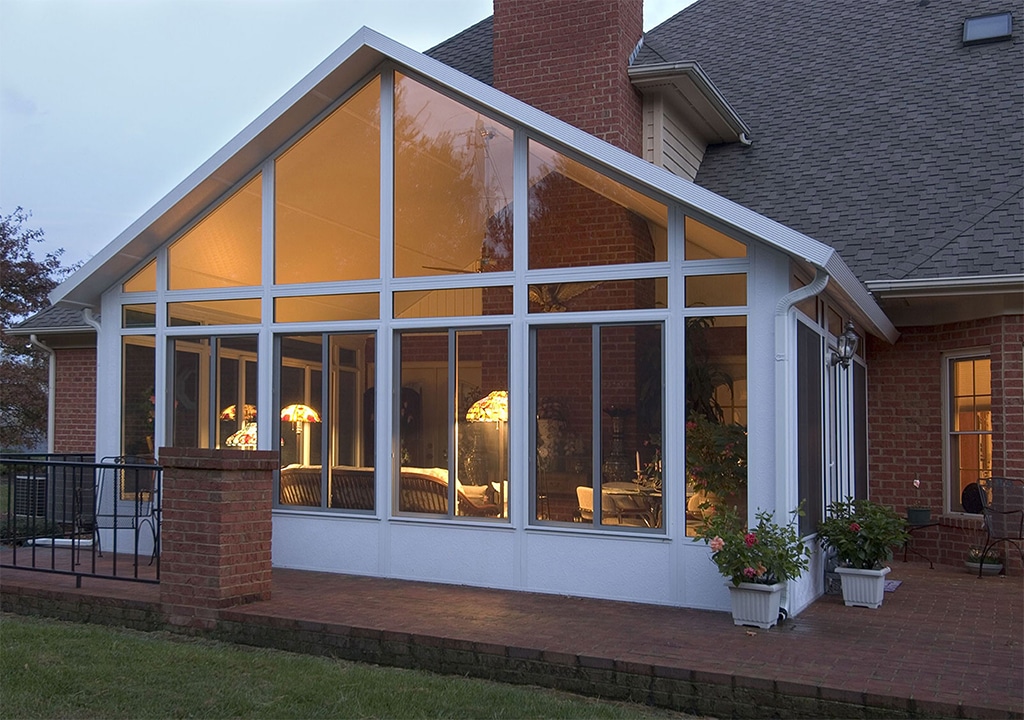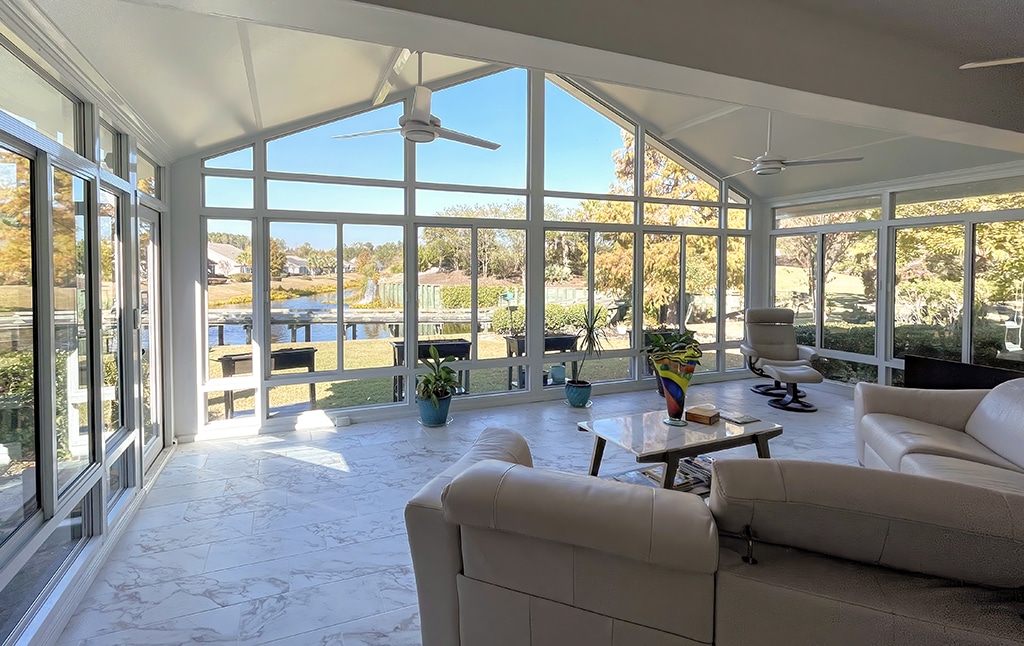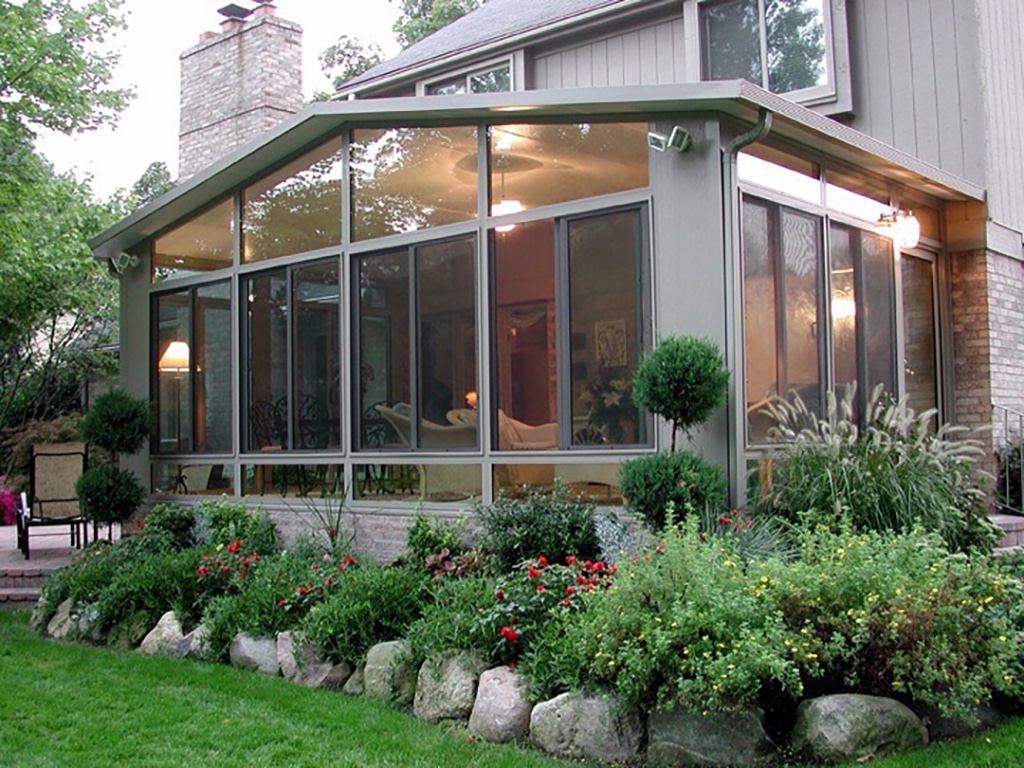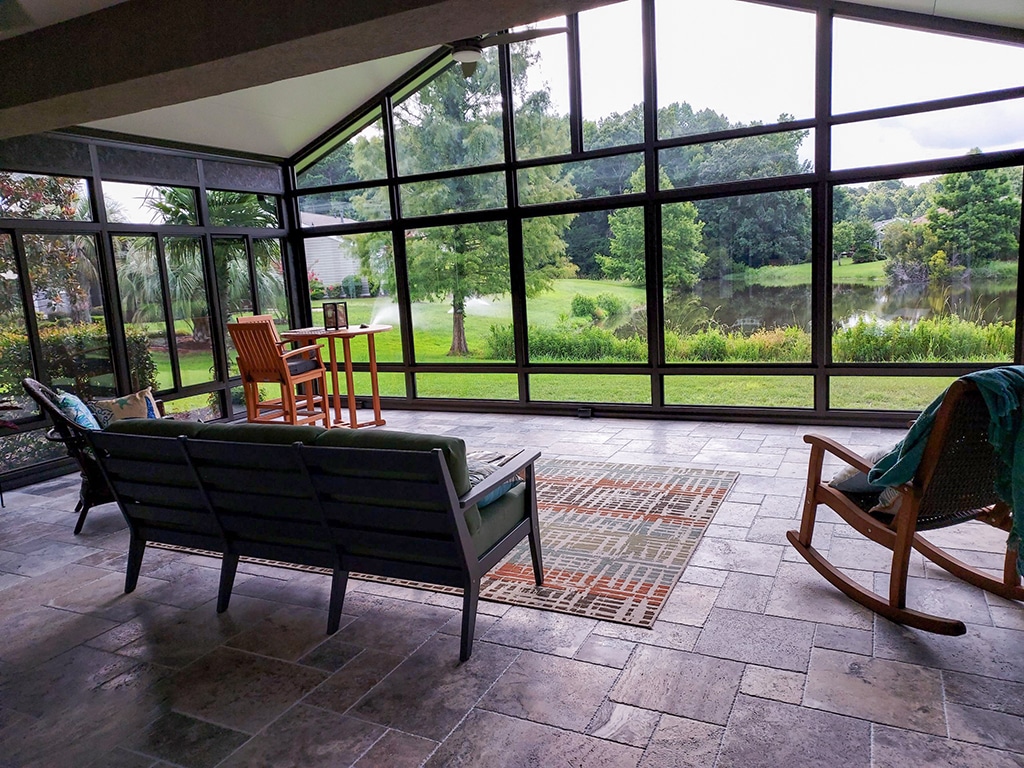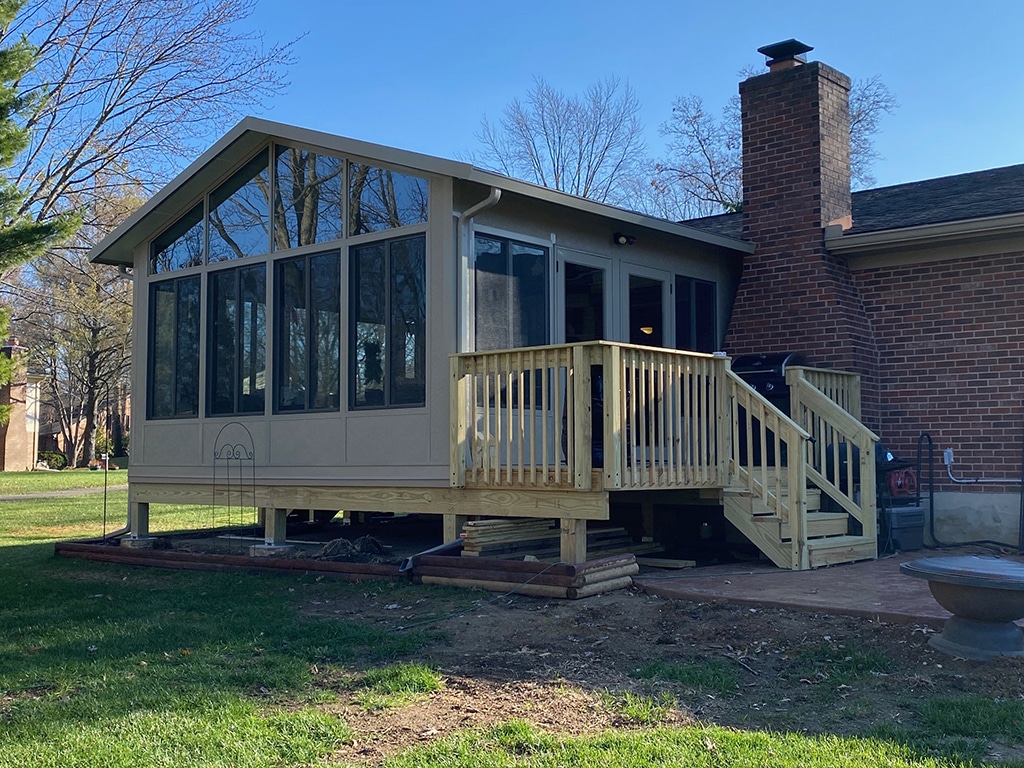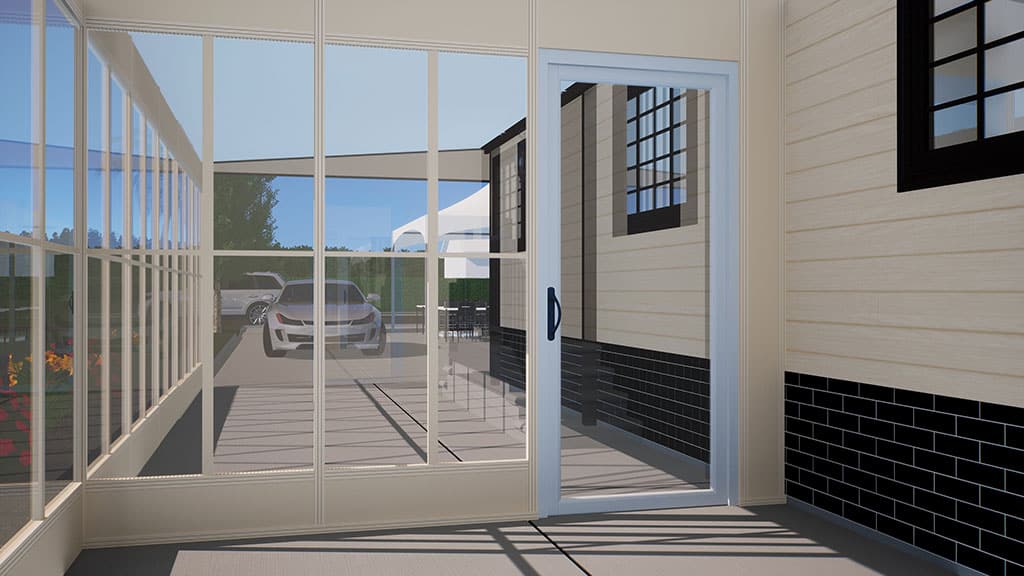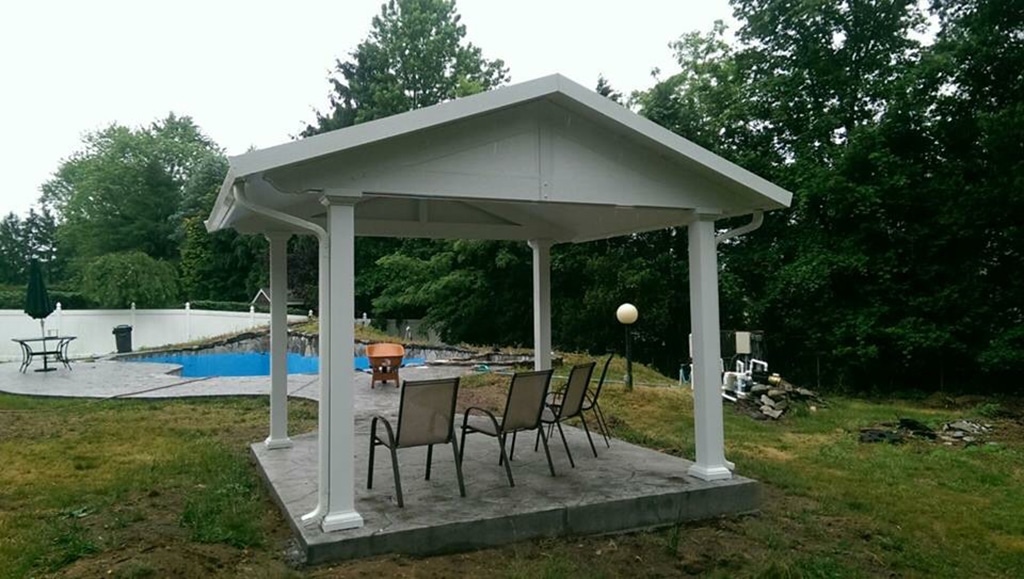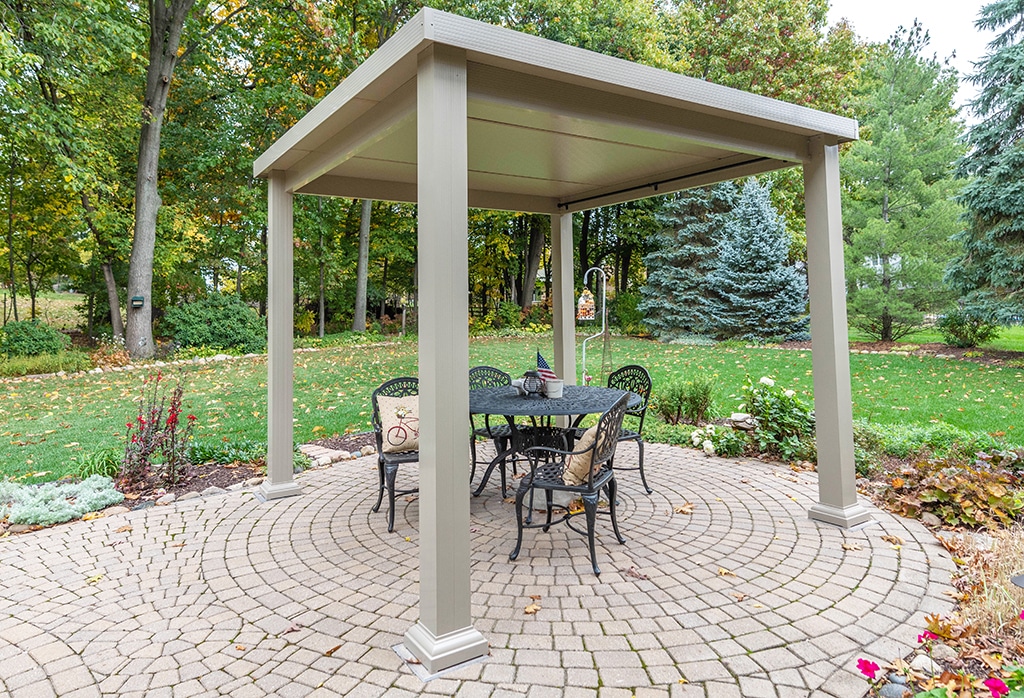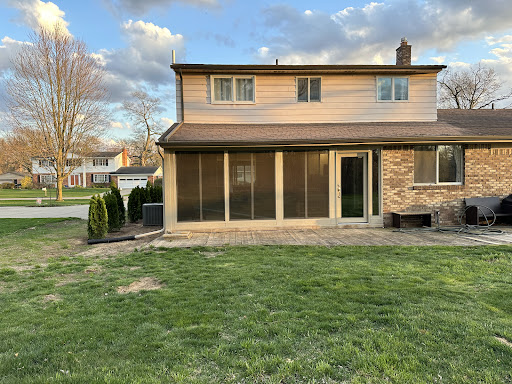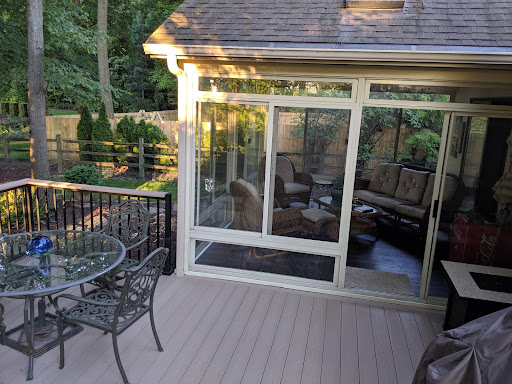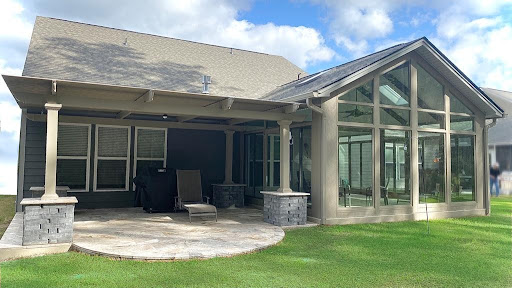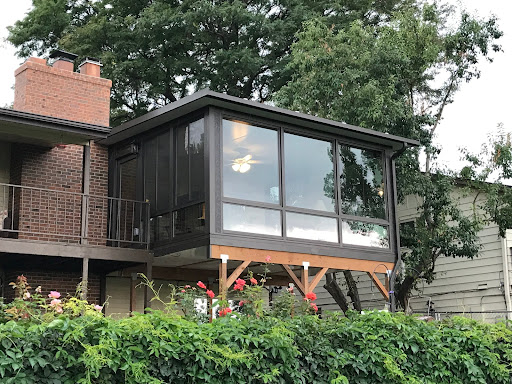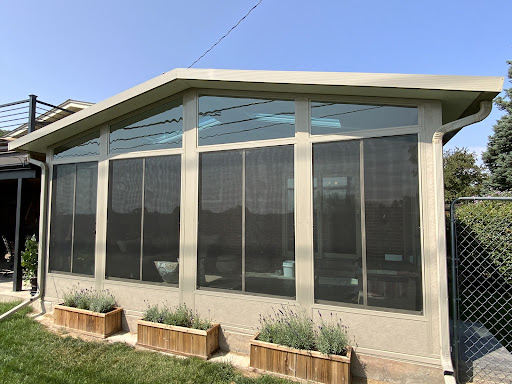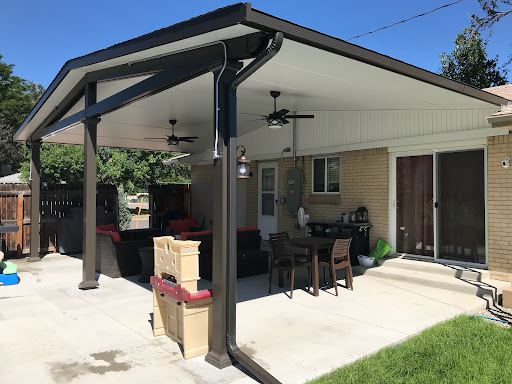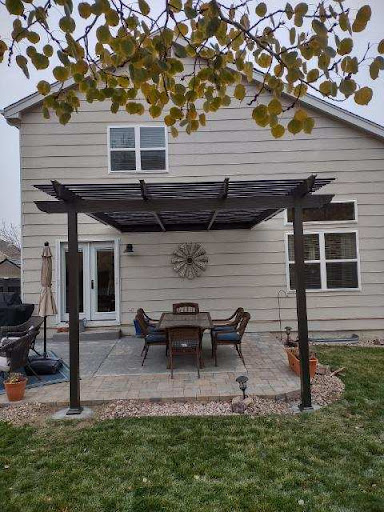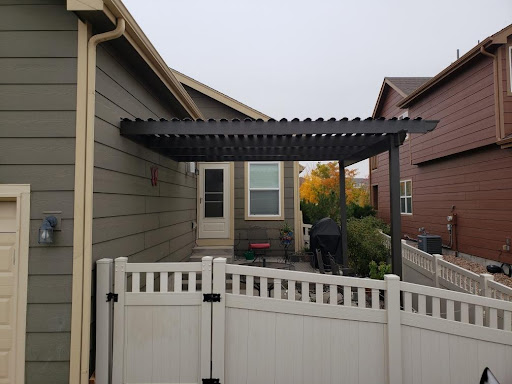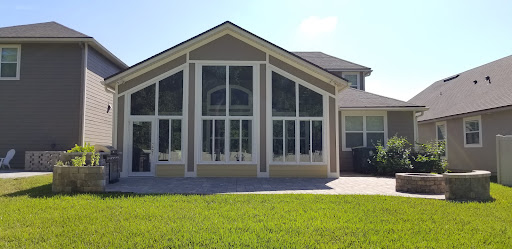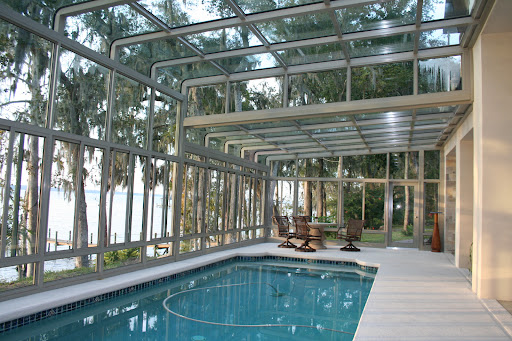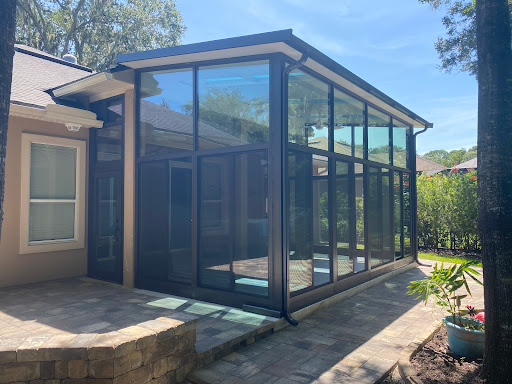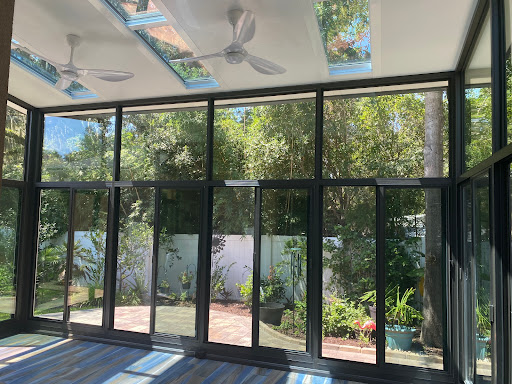


Sunrooms are not specifically listed as a qualifying product under the federal Energy Efficient Home Improvement Credit. Some components commonly used in home projects, such as eligible exterior doors or windows, may qualify. Temo Sunrooms does not have a PIN number for our product line like some other manufacturers. Temo specializes in Sunrooms, Pergolas, and Pavilions, not windows or doors. Always confirm eligibility with a tax professional.
What Tax Savings Are Homeowners Talking About for 2025?
The federal government currently offers the Energy Efficient Home Improvement Credit for certain qualifying upgrades made to an existing home through December 31, 2025. If your project includes eligible improvements, you may be able to claim a credit worth 30% of qualifying costs, up to annual limits.
This credit is nonrefundable (it can reduce what you owe, but it won’t create a refund beyond your tax liability), and it generally applies to improvements made to a home located in the United States.
What Types of Improvements Can Qualify?
The IRS groups eligible upgrades into categories with specific annual caps. Commonly referenced items include:
A) Building envelope improvements (selected examples):
- Exterior doors (credit capped per door, with an overall door limit)
- Exterior windows and skylights (annual cap applies)
- Insulation and air sealing materials/systems (annual cap applies)
B) Energy property (selected examples):
- Heat pumps and heat pump water heaters (separate higher annual cap category)
- Central air conditioners, furnaces, boilers, water heaters (caps may apply)
C) Home energy audits
(limited annual cap)
Important TEMO context: While the credit doesn’t list “sunrooms” as a category, homeowners sometimes ask whether specific installed components (for example, qualifying exterior doors/windows used in a broader home improvement) may be eligible. Your eligibility depends on product type, efficiency standards, placement-in-service rules, and IRS documentation requirements—so your tax professional should be your final word.
How Much Is the Credit in 2025?
For qualifying improvements, the credit is generally 30% of eligible costs, with annual limits that can add up to as much as $3,200 in a year (depending on what you install and whether you have enough tax liability).
Key cap structure (high-level):
- Up to $1,200 total per year for many qualifying improvements (including certain envelope items and some equipment categories), with sub-limits for specific items (like windows/skylights and doors).
- Up to $2,000 total per year for certain high-efficiency equipment categories (like qualifying heat pumps and heat pump water heaters).
Because caps and definitions matter, your tax preparer can help confirm what portion of your costs—if any—fits the IRS rules.
New IRS Requirement for 2025: Product PINs & Qualified Manufacturer Codes
In 2025, the IRS added a documentation requirement for many categories of qualifying equipment and certain products: the manufacturer must be a Qualified Manufacturer (QM), and taxpayers may need to report a Product Identification Number (PIN) for specified items placed in service.
What to know (plain English):
- A PIN is a 17-character identifier assigned by a Qualified Manufacturer to specific products in categories that require it.
- The IRS also references manufacturer qualification/registration requirements for products to be treated as eligible.
- These rules do not apply to every improvement type (for example, some categories like insulation may be treated differently under IRS guidance).
What this means for homeowners: If you did any energy-related upgrades in 2025, keep your paperwork organized—product documentation and manufacturer information can matter at tax time.
A Simple 2025 Checklist: How to Stay Organized for Tax Time
If you’re discussing potential energy-related upgrades as part of your overall home improvement plans, here’s a homeowner-friendly checklist:
- Confirm the improvement is eligible for the Energy Efficient Home Improvement Credit (your tax pro can help).
- Save itemized invoices showing product costs (and labor, when applicable under IRS rules).
- Keep manufacturer documentation—especially for categories tied to Qualified Manufacturer/PIN requirements.
- When filing, your preparer will typically reference IRS Form 5695 for home energy credits.
Reminder: Credits are subject to annual limits and are nonrefundable—your tax liability affects the benefit you can actually use.
Where TEMO Fits In
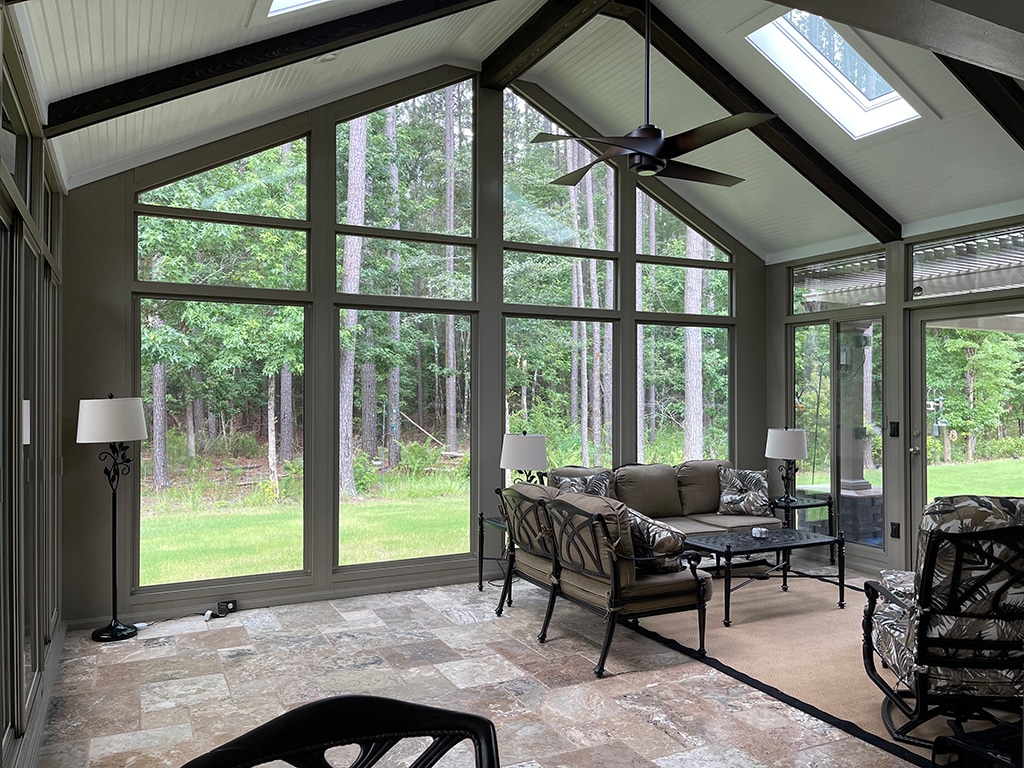
TEMO Sunrooms are designed to enhance everyday comfort—more usable space, more natural light, and a better connection to the outdoors.
If tax savings are part of your decision-making, we’re happy to help you:
- understand the project scope and what components are being installed,
- collect the right documentation from your installation (invoices/specs),
- and coordinate with your tax professional’s questions so you can evaluate eligibility confidently.
Ready to plan your project? Call 833-836-6872 (TEMO-USA) or Schedule Free Consultation.
FAQ: 2025 Energy Efficient Home Improvement Credit
Does a sunroom qualify for the Energy Efficient Home Improvement Credit?
The IRS guidance discusses specific categories (such as certain windows, doors, insulation, HVAC equipment, and audits). “Sunrooms” are not listed as a standalone category. If your project includes eligible installed components, your tax professional can confirm whether anything qualifies.
Is the credit available in 2025?
The IRS states the credit applies to qualifying improvements made after January 1, 2023 and can be claimed for eligible improvements made through December 31, 2025.
How much can I claim?
The credit is generally 30% of eligible costs, subject to annual limits that can total up to $3,200 depending on qualifying categories and caps.
What was new in 2025 with manufacturer codes or product PINs?
The IRS introduced requirements tied to Qualified Manufacturers and Product Identification Numbers (PINs) for many specified product categories placed in service in 2025.
Does it apply to new construction?
The credit is for existing homes that are improved or added onto, not for newly built homes.
Is this credit refundable? Can unused amounts carry forward?
The IRS describes the Energy Efficient Home Improvement Credit as nonrefundable, meaning it can reduce taxes owed but generally can’t exceed tax liability.
Get Help Planning a Comfortable, High-Value Upgrade
If you’re considering a TEMO project and want to understand how energy-related upgrades may fit into your overall home improvement plans, our dealer network can help you take the next step.