


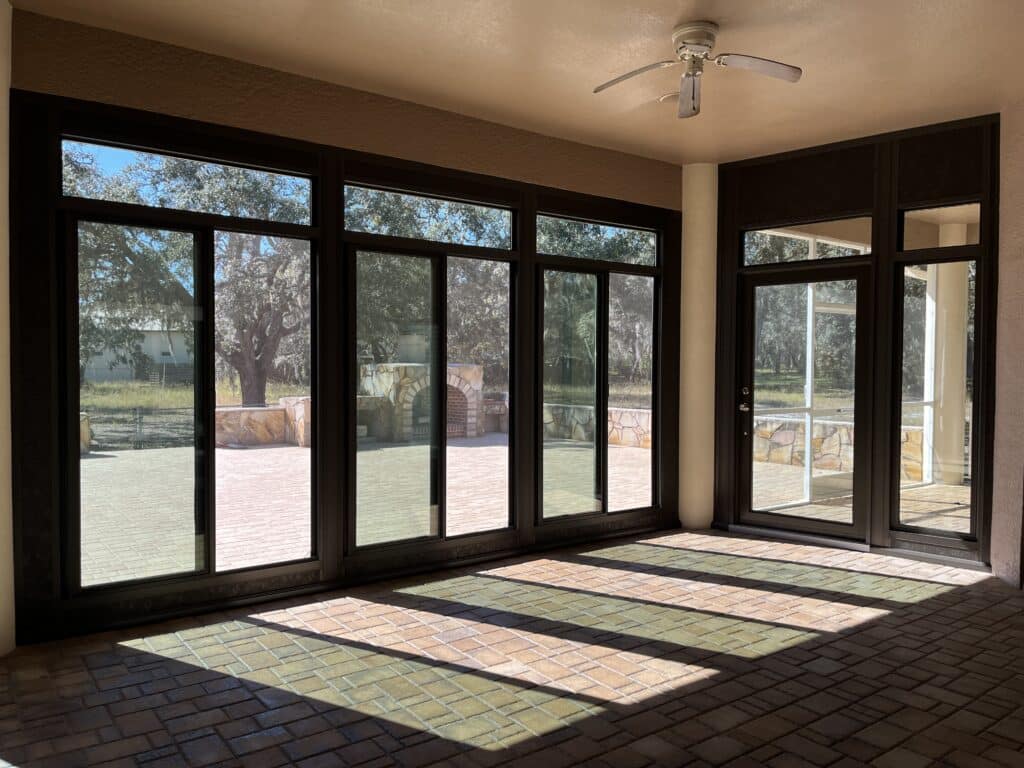
A sunroom is a beautiful way to bring natural light into your home while creating a versatile space for relaxation, entertaining, or enjoying your surroundings. When designed thoughtfully, a sunroom not only enhances your living area but also complements the existing architecture of your home. Achieving a cohesive look requires careful attention to style, materials, and functionality. In this post, we’ll explore key considerations to help you design a sunroom that harmonizes seamlessly with your home’s architecture.
Assess Your Home’s Architectural Style
The first step in designing a sunroom is understanding the architectural style of your home. Whether your home features a modern, contemporary, colonial, or Victorian design, your sunroom should reflect similar lines, colors, and materials. For example, a Victorian-style home may benefit from ornate trim and decorative moldings, while a modern home may suit sleek, minimalistic designs with clean lines. By aligning your sunroom with the existing style, you create a natural extension of your home rather than an out-of-place addition.
Choose Complementary Materials
Selecting the right materials is essential to ensure your sunroom integrates smoothly with your home’s exterior. Consider using materials that match or complement your siding, roofing, and trim. Wood, aluminum, or vinyl can all work effectively depending on the look you’re aiming for. Additionally, consider glass types and finishes for the windows and doors, as these choices impact both aesthetics and energy efficiency. Thoughtful material selection enhances visual cohesion and maintains your home’s overall design integrity.
Incorporate Architectural Details
Architectural details can help your sunroom feel like a natural part of your home. Elements such as crown molding, trim, columns, or decorative railings can echo existing features, tying the sunroom to the main structure. Paying attention to rooflines and ceiling designs is also important; a sunroom with a roof slope or pitch that matches your home will appear seamless. Small touches like coordinating hardware and light fixtures can further reinforce the connection between your sunroom and the rest of your property.
Maximize Natural Light
A sunroom’s primary appeal is its abundance of natural light. Large windows, glass doors, and even skylights can help achieve a bright, airy environment. When positioning windows and doors, consider the orientation of your home and the path of the sun to capture optimal light while minimizing glare. Balancing light with your home’s aesthetic ensures that the sunroom enhances both indoor comfort and exterior harmony.
Consider the Interior Layout
The interior layout of your sunroom should complement the function and flow of your existing home. Think about how the space will connect to adjacent rooms and how furniture, flooring, and decor will align with your current design. Whether you intend to use the sunroom as a casual sitting area, dining space, or indoor garden, arranging it thoughtfully will reinforce a sense of continuity and purpose. Functional, well-planned interiors make your sunroom a comfortable and inviting addition.
Blend Indoor and Outdoor Elements
Sunrooms often serve as a bridge between indoor and outdoor living. Incorporating elements from your outdoor space—such as plantings, natural stone, or wood accents—can strengthen the connection between your sunroom and garden or patio. Consider views and access points; sliding doors or French doors can provide seamless transitions while maintaining the architectural flow. By blending indoor and outdoor elements, your sunroom will feel like a natural extension of both your home and landscape.
Focus on Energy Efficiency
While aesthetics are critical, functionality should not be overlooked. Energy-efficient windows, insulated walls, and proper ventilation are key to maintaining comfort in your sunroom throughout the year. Matching window frames and roof materials to your home’s existing features while ensuring energy performance is a smart strategy. An energy-efficient sunroom not only complements your home visually but also provides a practical, comfortable space for year-round use.
Select Finishes That Match Your Home
Finishes, such as paint colors, flooring materials, and ceiling treatments, play a significant role in tying the sunroom to your home’s design. Neutral tones, wood finishes, or colors found elsewhere in your house create cohesion and continuity. Consistent finishes also make the sunroom feel intentionally designed rather than an afterthought. Subtle coordination in textures and colors can elevate the overall appearance and make your sunroom a seamless part of your home.
Incorporate Flexible Design Features
Consider features that allow the sunroom to adapt to changing needs while staying in line with your home’s architecture. Built-in seating, storage solutions, or retractable shades can enhance usability without compromising style. Choosing elements that are both functional and aesthetically aligned ensures that the sunroom serves multiple purposes while maintaining a harmonious look. Flexible design creates a practical, elegant space that complements your home in every season.
Designing a sunroom to complement your home’s architecture requires careful planning and attention to detail. By assessing your home’s style, selecting complementary materials, incorporating architectural details, and focusing on light, layout, and energy efficiency, you can create a sunroom that feels like a natural extension of your property. Thoughtful finishes and adaptable features further enhance both beauty and functionality. With the right approach, your sunroom will provide a bright, inviting space that elevates your home’s overall design while offering year-round comfort and enjoyment.